
The Hip

Updated: Aug 3, 2024
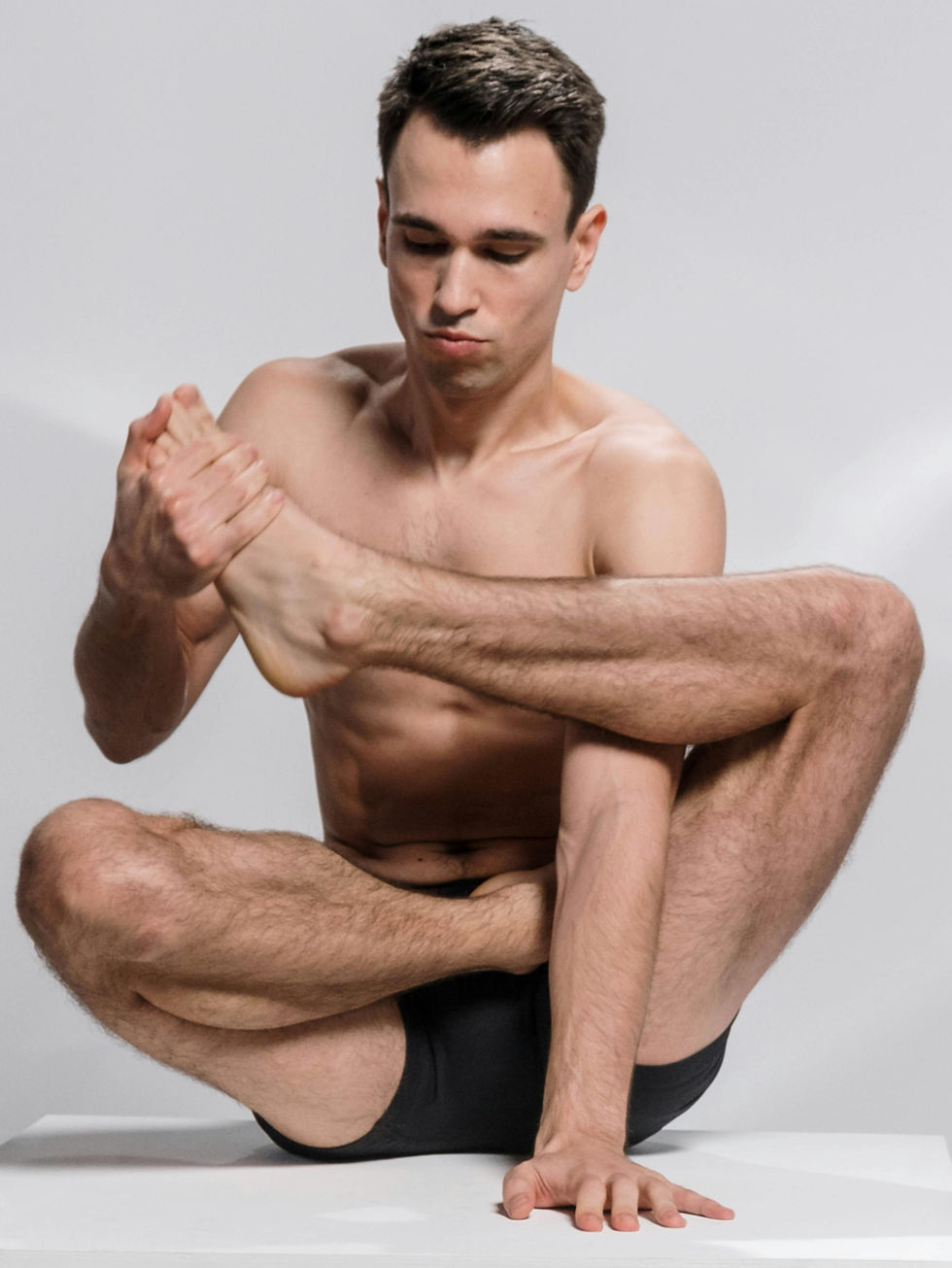
The hip is ball-and-socket joint connecting the lower limb to the pelvis. The hip is a complex structure that allows for a wide range of motion while maintaining stability and weight-bearing support for the body.

In it’s simplicity, the joint is composed of the femur (thigh bone) and the pelvis (hip bone). More precisely the femoral head (ball) of the femur and the acetabulum (socket) of the pelvis.
The ball and socket joint allows the hip to move in 3 planes: sagittal (forward-back), coronal/frontal (side to side), and transverse (rotating).
The hip joint is firstly stabilized by ligaments, which are chord like connective tissues, then by the muscles and associated tendons.
Primary Action of the Hip
The primary actions of the hip joint involve various movements that occur in different planes of motion. These actions are crucial for activities such as walking, running, sitting, and standing.

Flexion: Flexion is the movement of bringing the thigh bone (femur) closer to the front of the body. It is a forward bending motion at the hip joint, such as lifting the knee toward the chest.

Extension: Extension is the opposite of flexion and involves straightening the hip joint, moving the thigh bone away from the front of the body. It is the motion of standing up straight from a bent position or moving the leg backward.
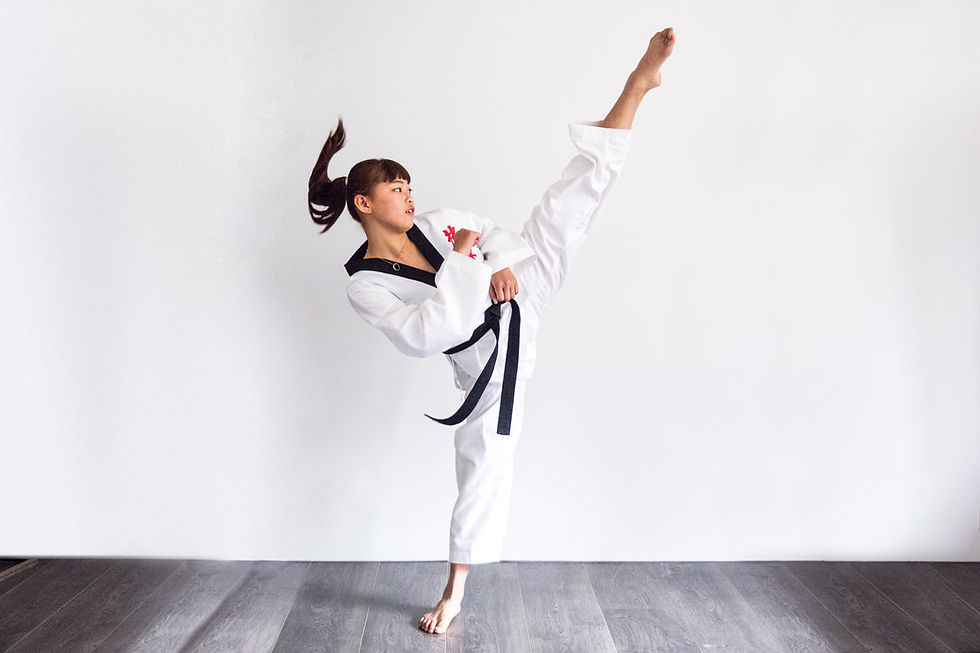
Abduction: Abduction is the movement of the thigh bone away from the midline of the body, towards the side. It involves moving the leg away from the body's centerline, such as when spreading the legs apart.

Adduction: Adduction is the movement of the thigh bone toward the midline of the body, bringing the leg back toward the body's centerline. It involves moving the leg inward, towards the other leg.

Internal Rotation: Internal rotation is the inward rotation of the thigh bone toward the midline of the body. It involves rotating the leg inward, such as when crossing one leg over the other while sitting.

External Rotation: External rotation is the outward rotation of the thigh bone away from the midline of the body. It involves rotating the leg outward, such as when turning the toes or foot outward.
These primary actions of the hip joint occur in different planes of motion and are coordinated by various muscles around the hip joint, allowing for a wide range of movement and stability in everyday activities.
Muscles of the Hip
There are approximately 25 muscles that span the hip joint that play a role in stability and motion around the region.


The Big Movers
The "big movers" of the hip joint are typically considered to be the muscles that generate significant force and contribute to primary movements of the hip. These muscles play key roles in activities such as walking, running, squatting, and climbing stairs. Some of the major "big movers" of the hip joint include:

Gluteus Maximus: This is the largest and most powerful muscle in the buttocks. It primarily extends the hip joint, as well as assists in external rotation and abduction.
Quadriceps Femoris: A group of four muscles, rectus femoris, vastus lateralis, vastus medialis and vastus intermedius. Although primarily known for extending the knee, the rectus femoris muscle of the quadriceps group also flexes the hip joint.
Hamstrings: The hamstrings consist of several muscles, including the biceps femoris, semitendinosus, and semimembranosus. These muscles primarily flex the knee joint but also play a role in extending the hip joint.
Iliopsoas: This is a combination of two muscles, the iliacus and the psoas major, which work together to flex the hip joint. It is a primary hip flexor and is involved in activities such as walking, running, and bending forward at the waist.
Gluteus Medius and Gluteus Minimus: These muscles are located on the side of the hip and are primarily responsible for hip abduction, which is the movement of the leg away from the midline of the body. They also play a role in stabilizing the pelvis during walking and other activities.
Adductor Muscles: The adductor magnus, adductor longus, adductor brevis, gracilis, and pectineus muscles are located on the inner thigh and primarily function to adduct the hip, bringing the leg toward the midline of the body. They also contribute to stability during activities such as walking and standing.
These muscles, among others, work together to provide strength, stability, and mobility to the hip joint.
The Stabilizers
In addition to the "big movers" that generate force and produce primary movements at the hip joint, there are also several muscles that primarily act as stabilizers. These muscles help to maintain the integrity of the joint, control its movement, and support the body during various activities. Some of the key stabilizers of the hip joint include:

Deep Hip Rotators: These are a group of small muscles located deep within the hip region, including the piriformis, gemellus superior, gemellus inferior, obturator externus, obturator internus, and quadratus femoris. These muscles primarily function to rotate the thigh bone (femur) and stabilize the hip joint during movements.
Tensor Fasciae Latae (TFL): This muscle is located on the side of the hip and plays a role in stabilizing the pelvis during activities such as walking, running, and standing. It also assists in hip flexion and abduction.
Gluteus Medius and Gluteus Minimus: While these muscles are also considered "big movers" due to their role in hip abduction, they also play a crucial role in stabilizing the pelvis during single-leg stance and walking. They work to prevent excessive drop of the opposite hip when standing on one leg.
Piriformis: Although the piriformis is primarily known as a hip external rotator, it also contributes to stabilizing the hip joint, especially during movements that involve rotation and weight-bearing.
Transversus Abdominis and Multifidus: While not directly located at the hip joint, these core muscles play a significant role in stabilizing the pelvis and spine, indirectly contributing to hip stability during movements such as walking, running, and bending.
Iliacus and Psoas Major: Collectively known as the iliopsoas, these muscles are primary hip flexors but also contribute to stabilizing the lumbar spine and pelvis, particularly during movements involving trunk flexion or when standing on one leg.
These stabilizer muscles work in conjunction with the larger, prime mover muscles to provide dynamic stability to the hip joint and pelvis, ensuring smooth and coordinated movement while minimizing the risk of injury.

Comments